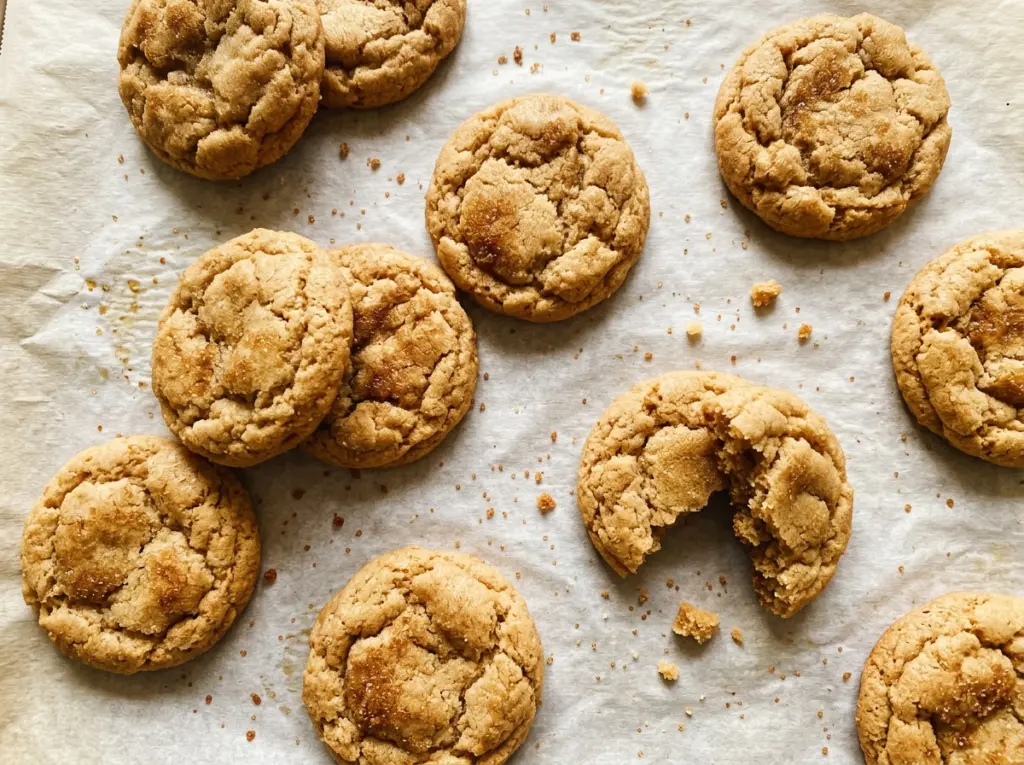
When butter and brown sugar beat together, the mixture turns creamy and smells faintly of caramel; that’s the first sign these cookies are on track. I like this dough because it doesn’t ask for eggs, leavening, or a long list of pantry extras. These 3 Ingredient Brown Sugar Cookies come together with a short mix, then bake into little rounds with lightly golden edges and a tender, buttery bite.
The texture depends on starting with softened butter, not melted butter. Beat it with the packed brown sugar until creamy, then work in the flour just until the dough gathers and the dry patches disappear. That keeps the dough easy to portion without turning the cookies tough from excess mixing.
They’re simple, but the brown sugar gives each bite a mellow caramel note, and the edges have just enough color to make them lovely alongside a cup of coffee.
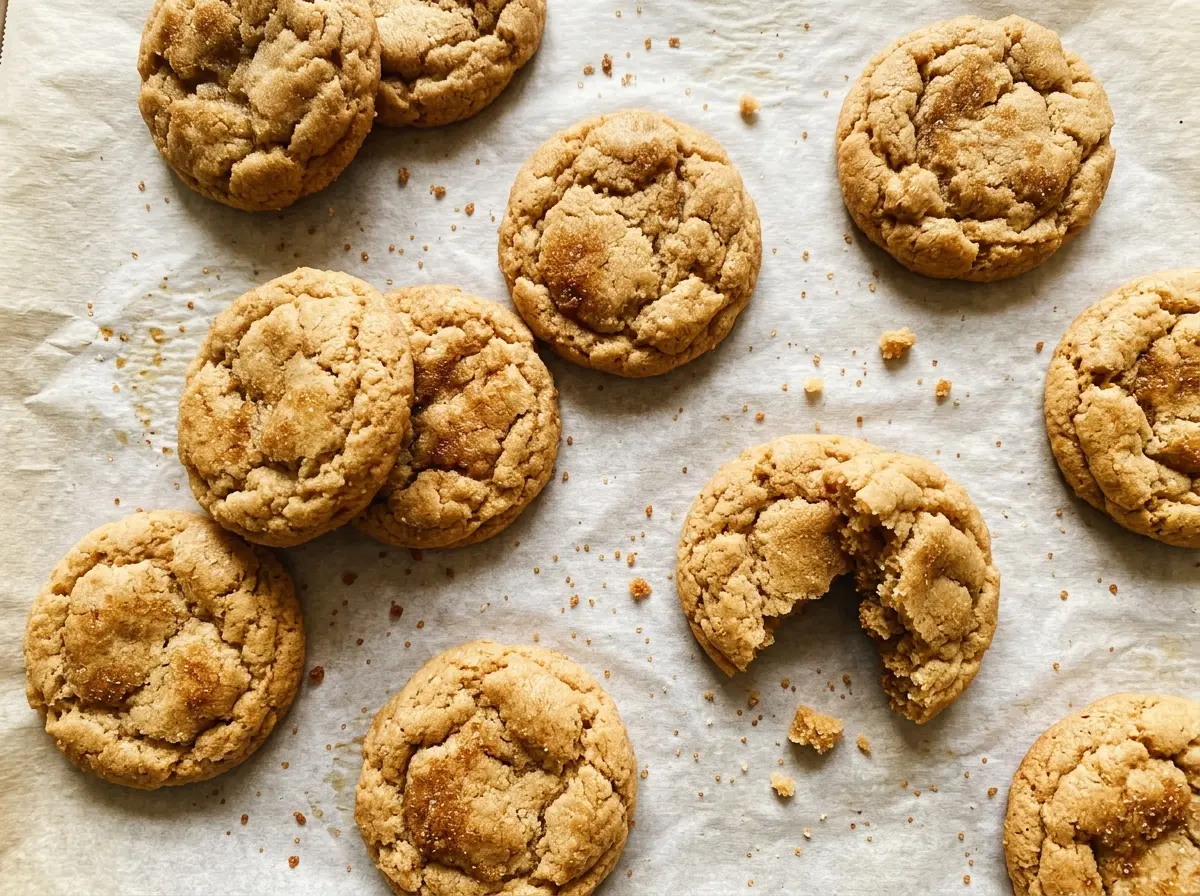
Kitchen Note
When the first tray is in the oven, leave the rest of the dough at room temperature. It stays easy to portion and flatten, so the second batch is just as simple to shape.
Save these 3 Ingredient Brown Sugar Cookies for a buttery, caramel-sweet bake made with just three pantry staples.
Why These Cookies Need Their Shape Before They Go in the Oven
Many familiar drop cookies spread as they bake, but this dough has no egg or leavener to help it puff and settle into a wider shape. It’s a compact butter-and-flour dough, so the shape you give each piece on the baking sheet matters. Roll the dough into even balls, then flatten each one slightly before baking; don’t count on the oven to do that shaping for you.
That simple press also helps the cookies bake at a similar pace. If some rounds are much thicker than others, the thinner ones will reach their lightly golden edges first while the thicker ones need more time. Aim for similar-sized portions and a consistent gentle flattening, rather than trying to make every cookie perfectly identical. The result is a neat, tender cookie with defined edges, not a lofty or especially chewy bakery-style cookie. Expect a delicate bite and a buttery crumb, with the brown sugar bringing the sweetness and warmth.
Once you know this dough won’t spread dramatically, the baking cues are easier to read: judge the edges, and let the cookies finish firming up after they leave the oven.
What Butter, Brown Sugar, and Flour Each Bring to This Dough

- Unsalted butter — Butter makes the dough rich and tender, and starting with it softened lets it beat smoothly with the sugar. A standard grocery-store butter works well here; there’s no need for a specialty brand. Avoid melting it, which changes the dough’s texture and makes it harder to cream properly. I stick with unsalted butter so the cookies don’t pick up extra salt that isn’t accounted for in this three-ingredient balance.
- Light brown sugar — Its molasses notes give the cookies their warm, gently caramel-like taste and softer feel. Use packed sugar, since loose, unmeasured sugar changes the balance of this small ingredient list. Fresh, soft brown sugar is easiest to blend into the butter. Dark brown sugar has a stronger molasses taste, so it won’t give quite the same mild flavor; light brown is the best choice for the intended result.
- All-purpose flour — Flour gives these cookies their structure, so measuring it carefully matters more than choosing a premium brand. Spoon it into the measuring cup and level the top rather than scooping directly from the bag, which can pack in extra flour and leave the dough dry or crumbly. For this particular three-ingredient dough, I don’t recommend a casual one-for-one flour swap; a different flour can change how the dough binds and bakes.
From Creamy Butter to Lightly Golden Edges
Set Up the Pan and Oven
Heat the oven to 350°F and line a large baking sheet with parchment paper. Having the lined pan ready before shaping keeps the dough from sitting around while you search for supplies. The parchment gives the cookies a reliable surface and makes transferring them easier once they’ve cooled. If the tray won’t hold all the portions with room between them, plan to bake in batches.
Beat the Butter and Sugar Until Creamy
Put the softened butter and packed light brown sugar in a large bowl. Beat them together for about 2 minutes, stopping when the mixture looks creamy rather than leaving visible chunks of butter. If the butter is still cold, it won’t blend as smoothly; if it’s melted, the mixture won’t have the same creamy consistency. Starting with properly softened butter makes this short mixing stage count.
Bring the Dough Together
Mix in the spooned-and-leveled flour until the dough comes together and no dry flour remains. At first, the mixture may look loose and sandy instead of like a smooth batter; keep mixing until it gathers into dough. Stop once the flour is incorporated, rather than beating for a long time after it comes together. You want a dough that can be rolled into balls, not a fluffy mixture.
Shape, Bake, and Cool
Roll the dough into 1-tablespoon balls and place them about 2 inches apart on the prepared sheet. Flatten each ball slightly so the cookies have their shape before baking, and bake for 10–12 minutes, until the edges are set and lightly golden. If you’re baking in batches, keep the remaining dough at room temperature while each tray bakes. Let the cookies cool on the sheet for 5 minutes, then transfer them to a wire rack and cool completely.
Two Ways to Change the Bite Without Changing the Dough
Press Them Flatter for More Edge
For a thinner cookie with more crispness around the edges, flatten the dough balls a little more than usual before baking. Keep the rounds evenly shaped, and use the same lightly golden edge cue so they don’t overbake. The tradeoff is a more delicate cookie that needs gentle handling as it cools.
Keep the Rounds Slightly Thicker
For a slightly thicker, more tender center, flatten each ball only enough to take off its rounded top. Keep the portions consistent so they bake evenly, and watch for set, lightly golden edges rather than waiting for the centers to brown. This version keeps more of the soft, buttery middle in each bite.
Storage and Reheating
- Refrigerator: Store cooled cookies in an airtight container for up to 1 week; the butter firms in the cold, so they’ll feel harder until they come back to room temperature.
- Freezer: Freeze fully cooled cookies in an airtight container for up to 2 months. Thaw them at room temperature before serving.
- Reheating: These cookies don’t need reheating; let refrigerated or frozen cookies come to room temperature. Skip the microwave, which can soften the butter unevenly and make the edges greasy.
The Questions That Come Up When Baking These Brown Sugar Cookies
3 Ingredient Brown Sugar Cookies
Ingredients
Equipment
Method
- Preheat the oven to 350°F.
- Line a large baking sheet with parchment paper.
- In a large bowl, beat the butter and brown sugar until creamy, about 2 minutes.
- Mix in the flour until the dough comes together and no dry flour remains.
- Roll the dough into 1-tablespoon balls.
- Place the balls about 2 inches apart on the baking sheet and flatten each ball slightly. Bake in batches if needed, keeping the remaining dough at room temperature.
- Bake for 10–12 minutes, until the edges are set and lightly golden.
- Let the cookies cool on the baking sheet for 5 minutes.
- Transfer them to a wire rack to cool completely.


