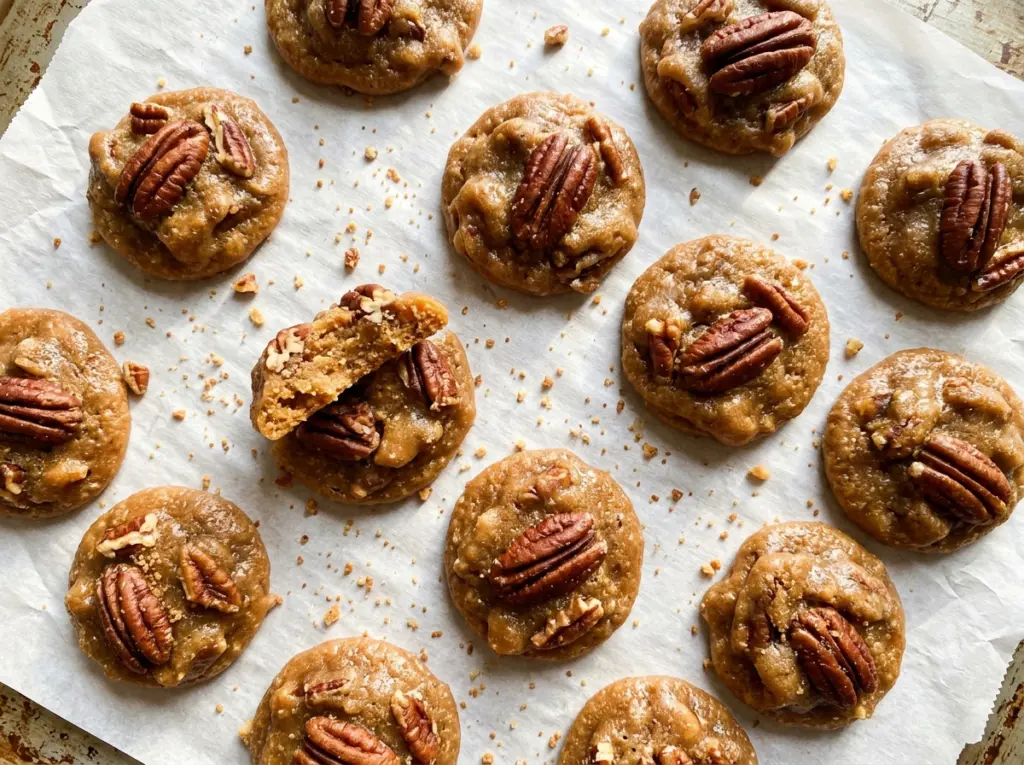
The sugar mixture starts with a smooth, steady boil, but its texture changes quickly once the pan comes off the heat. After the pecans and vanilla go in, beating turns it thick and matte. That change is what makes these Easy Pecan Pralines feel less mysterious than candy-making sounds: there’s a clear point when the mixture is ready to portion, and the finished candies firm up as they cool.
I like this version because the stovetop work is short and the ingredient list stays familiar. The thermometer takes the guesswork out of the boil, while vigorous beating gives the pralines their characteristic texture without a complicated technique. Have the parchment-lined baking sheet ready before the candy reaches its final stage; once the mixture is thick, you’ll want to portion it without delay. The result is a batch of pecan-studded candies with a tender bite and a satisfying brown-sugar flavor.
Kitchen Note
Use the full heavy 4-quart saucepan, even though the ingredients don’t fill it at first. The extra room makes it easier to beat in the pecans without crowding the pan.
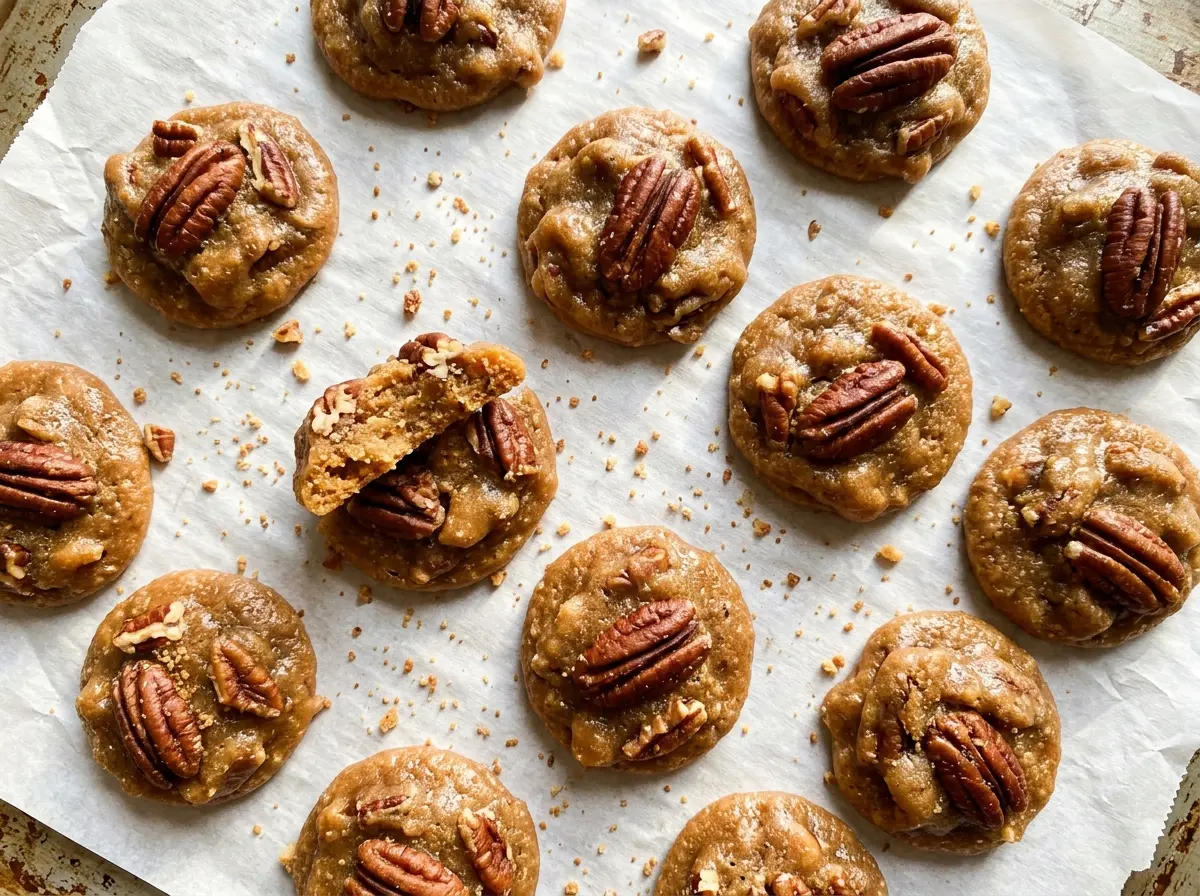
Save these Easy Pecan Pralines for a homemade candy plate, with brown-sugar sweetness and plenty of pecans in every cluster.
Why 236°F Matters More Than the Minutes on the Clock
The boil takes about 8 to 12 minutes, but the clock is only a guide. Burner strength, pan construction, and how quickly the mixture reaches a boil all affect the timing, so stopping at the thermometer reading gives you a more dependable result. At 236°F, the candy has reached the temperature this batch needs to set into pralines rather than staying loose.
A candy mixture can look ready before it has reached the right temperature. Bubbles get thicker as water cooks away, but appearance alone doesn’t tell you precisely how much moisture remains. If you stop early, the cooled pralines may stay soft; cook well past the target and the candy can set harder than intended. Keep your attention on the thermometer during the boil, and treat the stated minutes as a planning range rather than a substitute for the reading. That one distinction matters more here than trying to judge doneness by the size of the bubbles.
What the Sugars, Milk, and Pecans Bring to These Pralines

- Granulated sugar and light brown sugar — The two sugars do different jobs: granulated sugar keeps the candy’s sweetness clean, while packed light brown sugar brings a molasses note. Dark brown sugar can stand in for light brown sugar in the same amount if you want a deeper molasses flavor; keep the thermometer target the same.
- Evaporated milk — It adds dairy richness without the extra sugar in sweetened condensed milk. Those two cans aren’t interchangeable here; condensed milk brings a different concentration and sweetness, so stick with evaporated milk for this formula.
- Pecan halves — Fresh-tasting pecans make a noticeable difference because their buttery flavor is the main contrast to the cooked sugar. Halves give the finished candies distinct pieces of pecan; measure them before chopping if you prefer smaller bites.
- Unsalted butter and vanilla extract — Unsalted butter lets the measured fine salt stay in balance, and vanilla rounds out the brown-sugar flavor. Use butter rather than margarine for the most reliable texture, and add the vanilla off the heat so its aroma stays noticeable.
From a Smooth Boil to Pralines That Hold Their Shape
Line the Sheet Before the Candy Cooks
Cover a large 18×13-inch baking sheet with parchment paper before you start the stovetop work. The candy moves quickly once it thickens, so having a clear, flat landing area ready keeps you from scrambling at the end. Leave enough counter space around the sheet to work comfortably. The portions need room between them, so don’t plan to crowd the pan.
Dissolve the Sugars Before Boiling
Combine the granulated sugar, packed light brown sugar, evaporated milk, butter, and fine salt in a heavy 4-quart saucepan. Cook over medium heat, stirring, until the sugars dissolve and the butter melts; this takes about 3 minutes. You’re looking for a smooth mixture without visible granules collecting at the bottom. Once it comes to a boil, stop stirring.
Let the Thermometer Set the Endpoint
Boil the mixture without stirring until the candy thermometer reads 236°F, which takes about 8 to 12 minutes. Keep watching the temperature as it climbs rather than stepping away because the range is short. Avoid stirring during this stage; agitation can encourage sugar crystals and leave the finished candy grainy. When the thermometer reaches 236°F, take the saucepan off the heat.
Beat, Portion, and Let the Candies Firm
Stir in the pecans and vanilla, then beat vigorously for 2 to 4 minutes. The mixture should thicken and lose its glossy shine; that change signals it’s ready to portion. Drop heaping tablespoonfuls onto the parchment, leaving about 1 inch between each one, and work quickly before the candy firms in the pan. Let the pralines cool until firm, about 20 to 30 minutes.
Three Small Changes That Give the Batch a Different Feel
Chop the Pecans for Smaller Bites
Measure the pecan halves first, then chop them before stirring them into the candy. The smaller pieces distribute through each portion more evenly, though you’ll lose the distinct look and bite of whole halves.
Use Dark Brown Sugar for a Deeper Note
Replace the packed light brown sugar with the same amount of packed dark brown sugar. Its stronger molasses character makes the candy taste richer, while the pecans remain the main texture in each piece.
Make Smaller Candy Drops
Use level tablespoonfuls instead of heaping tablespoonfuls for smaller pralines. You’ll get more pieces from the batch, and each one is easier to serve as a small candy bite.
Storage and Serving
- Room temperature: Keep the cooled pralines in an airtight container in a cool, dry spot for up to 2 weeks.
- Freezer: They freeze well in an airtight container with parchment between layers for up to 2 months. Thaw them in the closed container so condensation forms on the container, not the candy.
- Reheating: Don’t reheat pralines; heat makes the sugar soft and sticky. If they’ve been chilled or frozen, let them come to room temperature while covered.
Questions That Come Up While Making Pecan Pralines
Easy Pecan Pralines
Ingredients
Equipment
Method
- Line a large 18x13-inch baking sheet with parchment paper.
- In a heavy 4-quart saucepan, combine the granulated sugar, brown sugar, evaporated milk, butter, and salt; cook over medium heat, stirring, until the sugars dissolve and the butter melts, about 3 minutes.
- Bring the mixture to a boil, then cook without stirring until a candy thermometer reads 236°F, about 8 to 12 minutes.
- Remove the pan from the heat.
- Stir in the pecans and vanilla.
- Beat vigorously for 2 to 4 minutes, until the mixture thickens and loses its glossy shine.
- Quickly drop heaping tablespoonfuls onto the prepared baking sheet, spacing them about 1 inch apart.
- Let cool until firm, about 20 to 30 minutes.


